I Did My Divemaster at a PADI Career Development Center – And Here’s Why That Mattered
When I decided that my chosen career will be recreational diving and teaching it, there were multiple questions on how to start my career.
There was a time, not too long ago, when the question of where to take my Divemaster course haunted me every night. I’d lie awake, wondering:
Will the dive center I choose truly to support my growth — or just use me as free labour? Would I be mentored and taught, or just end up endlessly hauling tanks, washing gear, and fading into the background like some invisible apprentice?
These doubts weren’t unfounded. I’d heard the stories. Some DMs-in-training end up doing little more than grunt work. Sure, cleaning equipment and tidying the dive shop is part of the job — but it shouldn’t be the whole job.
What I craved was real training. A structured program. An instructor who followed the PADI standards not just in name but in spirit. I wanted to assist with students, learn how to brief and lead dives, get help with theory, and see how a dive center truly operates. But most of all, I wanted to be treated like a future pro — not just another body in the shop.
These are the kinds of questions that keep every aspiring Divemaster candidate up at night. I know I wasn’t alone.
If you’re lucky enough to already know a dive center — maybe you’ve done your Open Water or Advanced with them — and you’ve seen firsthand how committed they are to quality training, then the decision is easy. But what if you’re starting from scratch?
That was me. So I did my research, asked around, read reviews, and talked to instructors. Ultimately, I chose to do my Divemaster training at a PADI Career Development Center (CDC). And it was one of the best decisions I’ve made in my diving journey.
Why a PADI CDC Made All the Difference
There are dive centres — and then there are CDC-level dive centres. CDCs are the highest-rated PADI facilities, recognized for going above and beyond in professional-level training. These are not just places that hand out certs; they build careers.
Here’s what made my experience so impactful:
A Structured, Career-Focused Pathway
It wasn’t just about ticking boxes to get my Divemaster certification. At the CDC, the program was designed to prepare me for a real future in the dive industry. There were, career planning sessions, resume workshops — things I never expected but deeply appreciated.
Mentorship from the Best
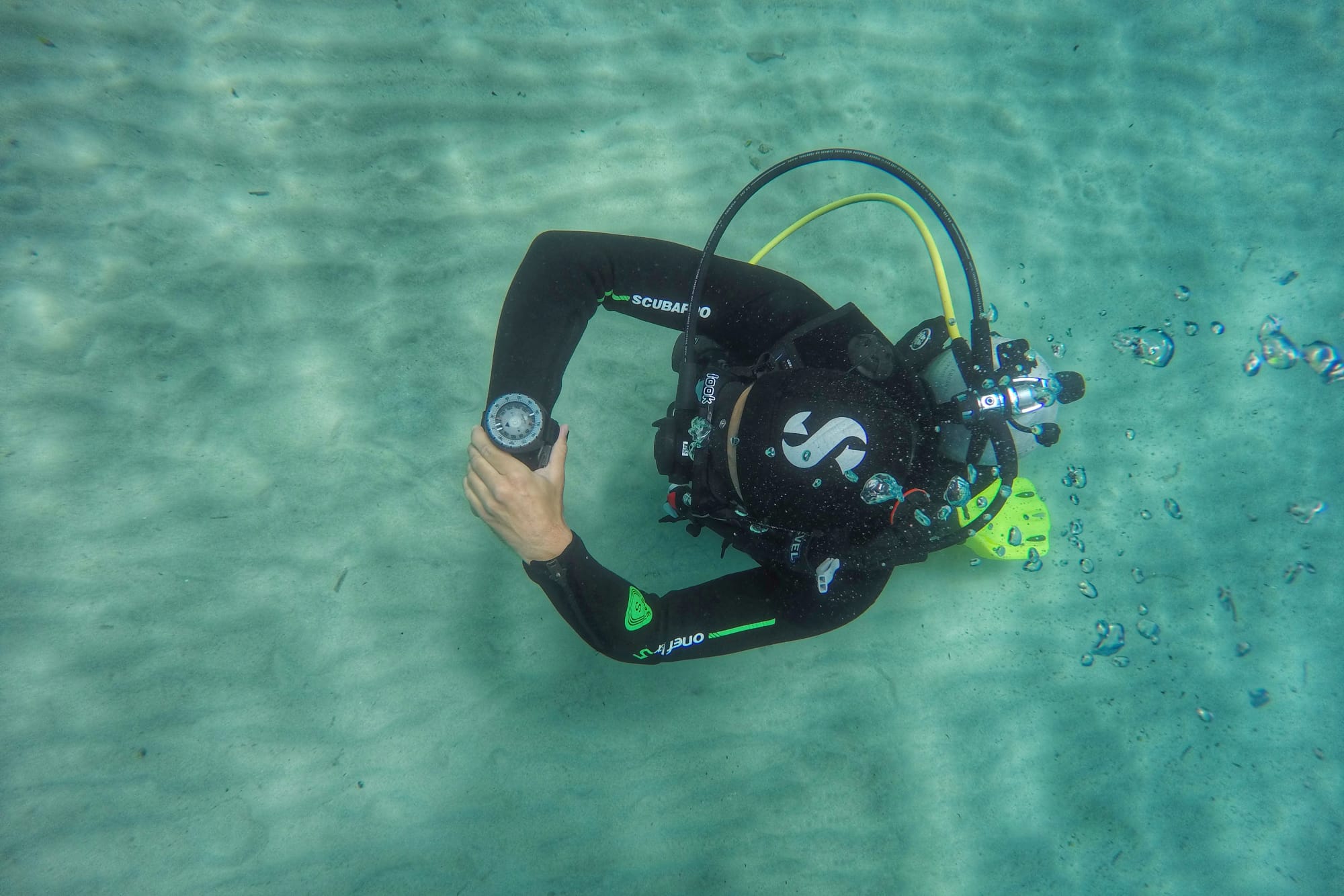
The instructors and Course Directors I trained under weren’t just qualified — they were passionate educators with real-world experience. They were present, supportive, and always willing to answer questions or dive deeper into theory.
Hands-On Experience
From day one, I was involved. Assisting on courses, leading certified divers, helping with logistics — it was never just theory or manual labour. Every task had a purpose and contributed to my growth.
Amazing Facilities
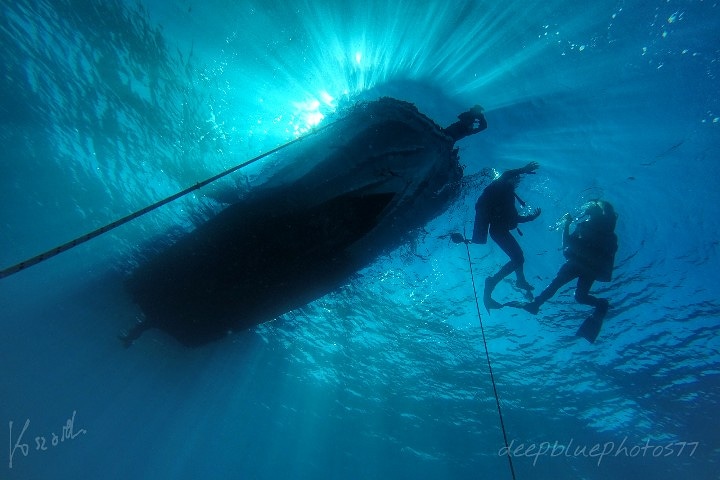
Classrooms with actual whiteboards (not just a table in the corner), an on-site pool, dedicated gear areas, boat ready to go — it all made a difference. The space felt professional, inspiring, and serious about training.
Support Beyond Certification
Even after finishing my program, the CDC team helped me explore job opportunities, build my diving resume, and make connections through PADI’s global network. That support system is something you just don’t find everywhere.
Extra Experience That Went Beyond the Syllabus
Another thing that really made my Divemaster journey special was how much extra I got to experience — even beyond what the standard course requires.
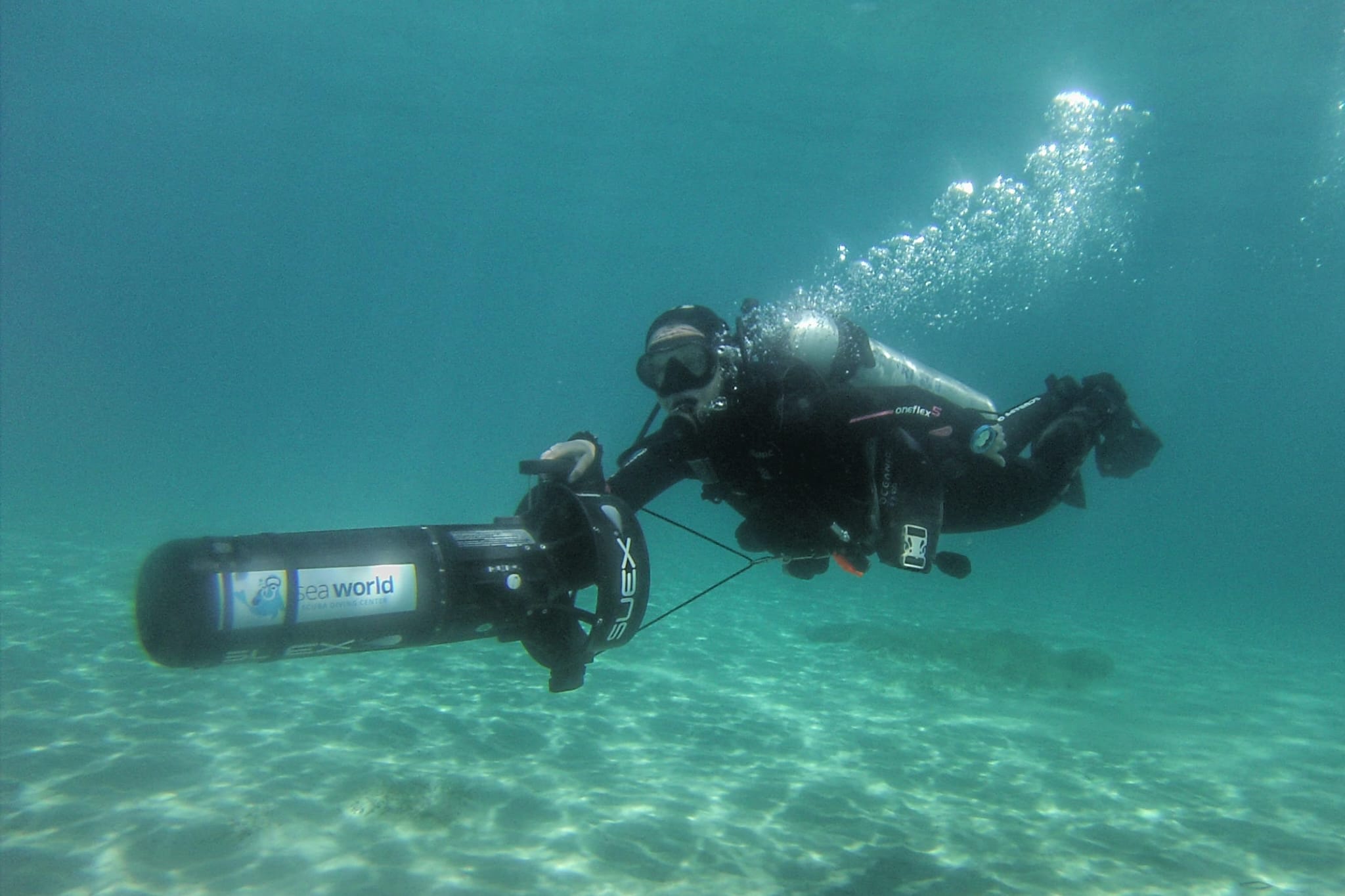
The dive center where I did my training wasn’t just running the usual Open Water and Advanced courses. They also had DPV (Diver Propulsion Vehicle), Nitrox, Sidemount and other speciality courses happening regularly — and even though these aren’t part of the core Divemaster curriculum, I was invited to get a taste of them alongside my instructors.
It was amazing.
From trying out the feeling of flying underwater with a DPV, to learning the basics of diving on enriched air, to adjusting to the unique configuration of sidemount tanks — I was encouraged to explore as much of the diving world as I wanted. No pressure. Just opportunities.
That kind of access isn’t guaranteed everywhere. But at a high-quality center, especially one that cares about your long-term development, you’re treated like more than just a student — you’re treated like a future colleague. They wanted me to experience diving in its full depth (pun intended), and that made a massive difference in how prepared and inspired I felt by the end of the course.
Environmental Values Also Mattered
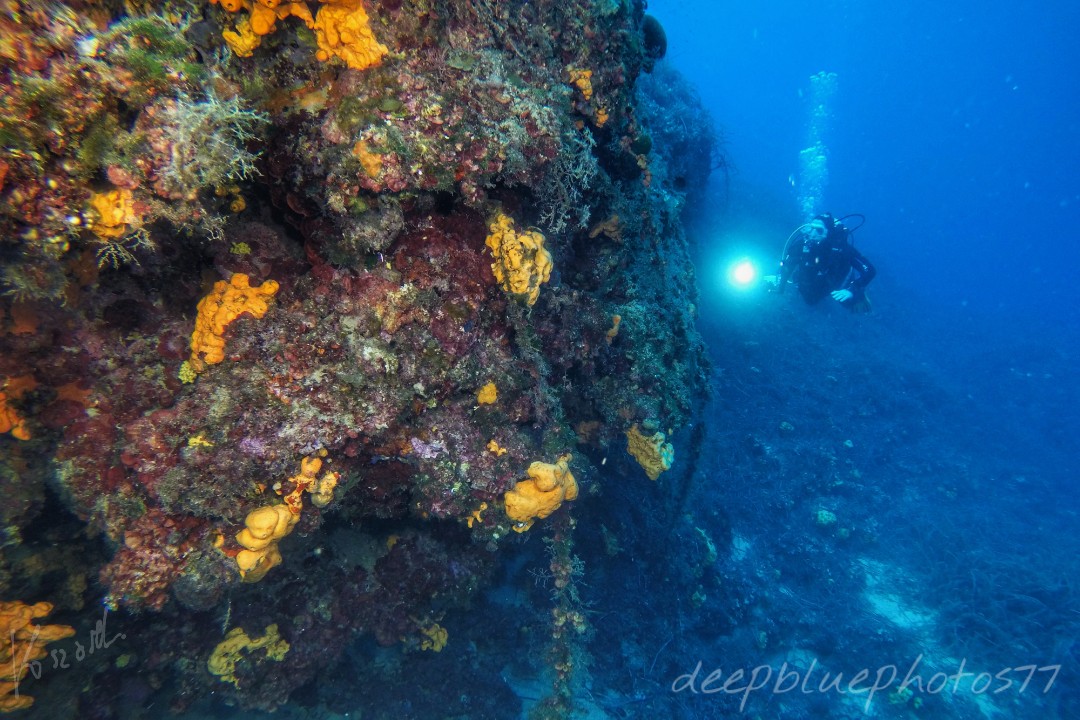
What also played a big role in my decision was finding a dive center with a real, down-to-earth approach to conservation. As someone who tries to live consciously and cares deeply about the environment, I didn’t want to train at a place that saw sustainability as just a buzzword. I also wasn’t looking for anything extreme or preachy — just a dive shop with genuine, balanced values around marine conservation and environmental responsibility.
That’s why a PADI Eco Center was a perfect fit. These dive centers are committed to protecting the oceans through responsible diving practices, waste reduction, education, and local conservation partnerships. It felt good knowing that my training happened in a place that values the health of the underwater world we love — and backs it up with action, not just words.
Conservation in Action: The Raja radula Program
One of the most inspiring parts of my Divemaster experience was being surrounded by people who genuinely cared about marine life — not just in theory, but in practice.
At the dive center, there was an active Raja radula conservation program (the rough ray species), run in partnership with iSea, a marine conservation organisation. What made it even more special was that this wasn’t some distant project I just heard about in passing — it was happening right there in the dive center, every day.
The program focused on collecting and hatching Raja radula eggs in a dedicated aquarium located on-site. The team of scientists managing the project weren’t just working behind closed doors — they were open, welcoming, and incredibly generous with their knowledge. They explained the entire process to us: how the eggs were collected, the ideal environmental conditions for hatching, and the significance of protecting this often-overlooked species.
Being able to see the delicate egg cases in the aquarium, ask questions directly to marine biologists, and witness first-hand how conservation and diving can intersect — that left a real impression on me. It added depth to my understanding of what it means to be a dive professional. It’s not just about guiding dives or managing gear; it’s about being a steward of the ocean.
Would I Do It Again?
Absolutely. Choosing a CDC — and one with solid environmental ethics — wasn’t just about the certification. It was about investing in myself and the future of our oceans. I got more than a card. I got confidence, real-world skills, a professional support system, and the peace of mind that I was contributing to something bigger than myself.
If you’re thinking about becoming a Divemaster and you’re serious about diving as a career (not just a hobby), look into a PADI Career Development Center, ideally one with a strong eco-focus. It might just be the launchpad you’re looking for — in more ways than one.