Why Staying Fit Matters in Your Dive Career (and How to Actually Do It)
So, you’re dreaming of becoming a dive professional? Palm trees, white-sand beaches, colourful coral reefs, friendly people from around the world, and epic encounters with sharks, turtles, and mantas. Yeah, that part is real. It’s one of the best jobs in the world.
But here’s what doesn’t usually show up in the brochures: being a dive pro is also physically and mentally demanding—more than most people realise and expect.
What You Don’t See in the Instagram Posts
Let’s get real for a second. Yes, you glide through crystal-clear water with ease… but your body still works. Hard. You burn energy keeping warm (even in tropical water), hauling tanks, squeezing into wetsuits, climbing back onto boats, and helping other people do all the above—multiple times a day.
And remember: your body loses heat up to 20 times faster in water than in air. Even the warmest sea (say 30–32 °C) is cooler than your body temperature (36 °C), so your system is constantly working to keep you warm—even if you don’t feel cold. More work = more calories burned.
Some dives can burn 300 to 700 calories per hour, and that doesn’t include everything else you do before and after the dive.
What Fit Dive Pros Have in Common
Over the years, I’ve worked with a lot of dive instructors and guides. The best ones? They all had one thing in common: they took care of themselves. And I don’t mean they were gym rats or drank kale smoothies for breakfast.
Many of them enjoyed the occasional cigar, had a beer after work, and danced all night at full moon parties. But when it came to the job, they showed up rested, sharp, and physically ready. That’s the difference.
You don’t need to be an athlete—but you do need to be fit for the job.
Dive Professional Isn’t a Lazy Person’s Job
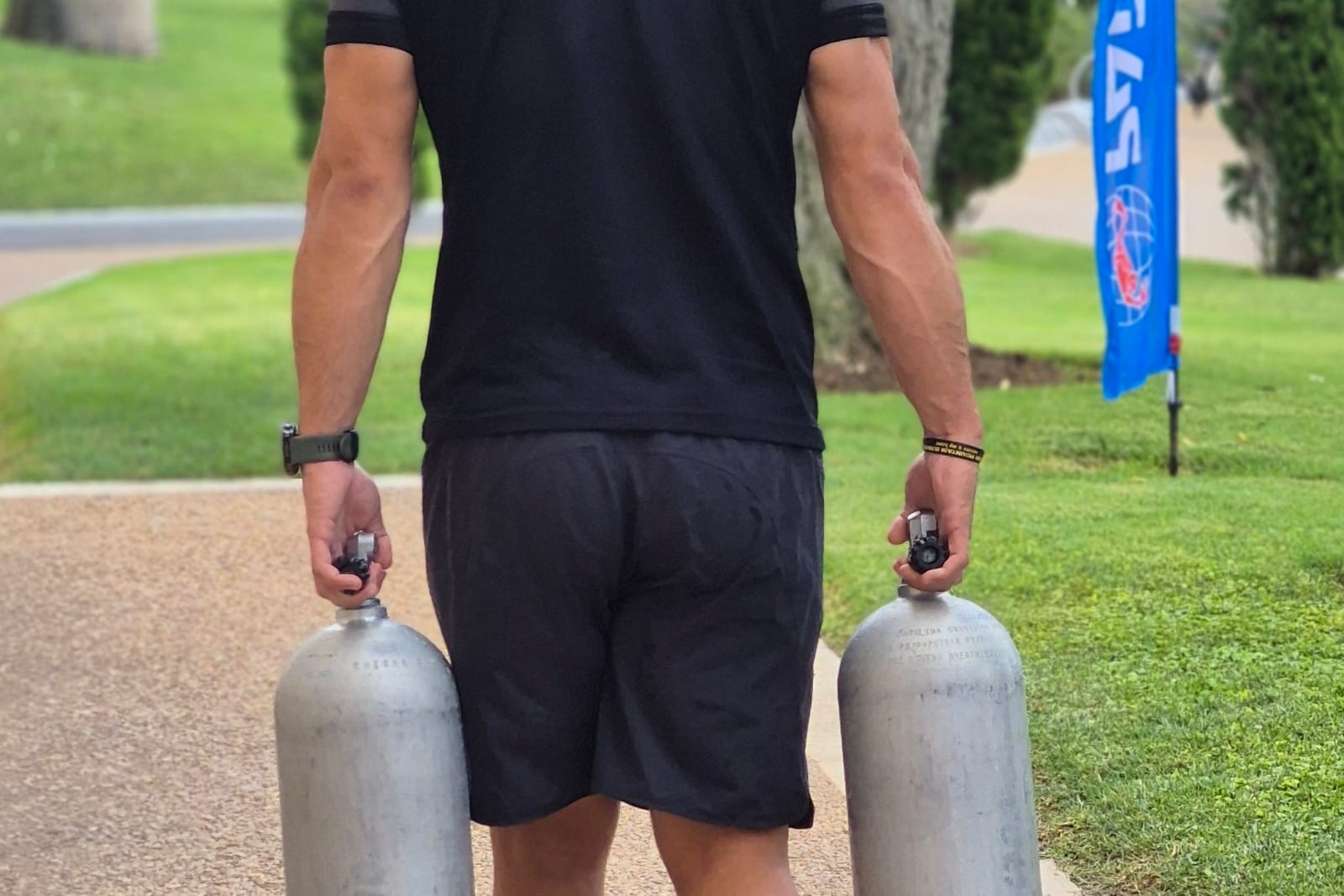
Here’s the truth: if you’re too tired, injured, or out of shape to lift your own gear, you’re probably not going to be great at helping others with theirs. And that’s the core of our job—keeping others safe, calm, and comfortable in the water.
It’s not just about you. It’s about your divers too. The stronger and more energised you are, the safer and better experience everyone has.
The Busy Season is No Joke
In most dive destinations, the work is seasonal. During high season, it’s full speed ahead:
- No days off
- Long hours
- Early starts and late finishes
- Multiple dives a day, every day
- Setting up and tearing down equipment, loading it on the boat or trucks, lifting tanks, rinsing wetsuits…
If you’re not reasonably fit, it wears you down fast. Burnout, exhaustion, injury—you name it.
Tips to Stay Fit as a Dive Pro (Without Going Full Gym Bro)
Here’s how to keep your body and brain in good shape without turning into a fitness influencer:
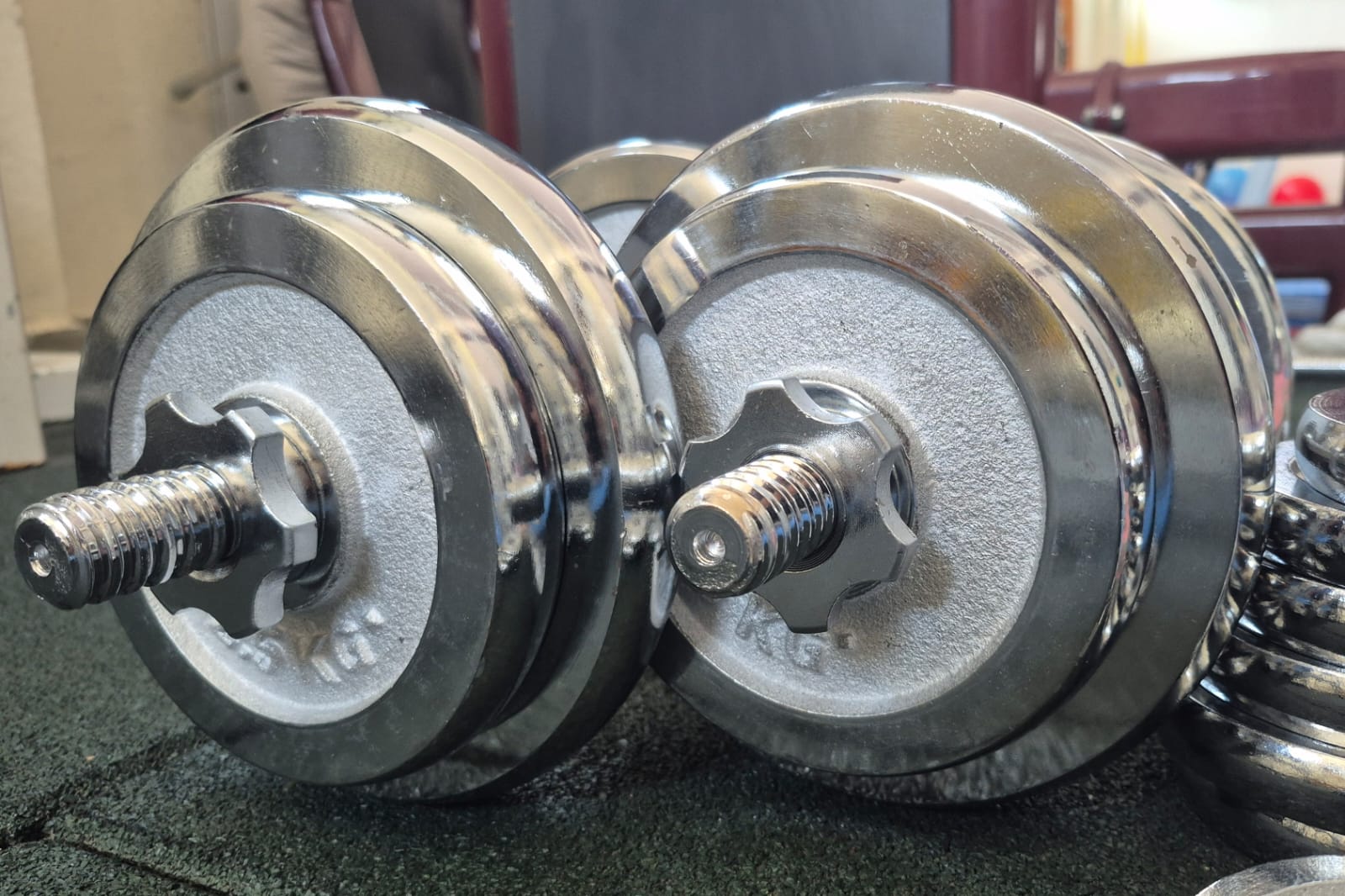
1. Do Just Enough Strength Training
You don’t need to bench press 100 kg, but some strength goes a long way—especially for your back, legs, and core.
- Think: squats, planks, deadlifts, and carrying stuff (like tanks—surprise!)
- Functional workouts help the most: stuff that mimics real-life movements
2. Keep Your Cardio Up
If you get winded after a surface swim or climbing stairs, your day is going to be rough.
- Run, bike, swim, hike—whatever keeps your stamina up
- Even 20–30 minutes a few times a week helps a lot
3. Stay Flexible
Wetsuits, tight boats, weird angles when helping students—it all demands flexibility.
- Do some light stretching daily
- Yoga is awesome if you’re into that
4. Eat Like You Actually Care About Yourself
Fuel your body with real food. You’re working hard out there.
- Drink more water than you think you need
- Eat a mix of protein, carbs, and good fats
- Save the big night out for your days off (and not before a double-dive day)
5. Rest Is Part of the Job
Don’t skip sleep. Seriously.
- Get your 7–9 hours a night when you can
- Take rest days when possible, even if that means just lounging for an afternoon
- If you’re wiped out, your focus drops—and that’s not okay underwater
6. Keep Your Head in the Game
Diving is mental as much as physical.
- Try simple breathwork or mindfulness stuff (great for dealing with stress and keeping cool in emergencies)
- Record and revise daily news and events of a personal nature if that helps you decompress
Bottom Line
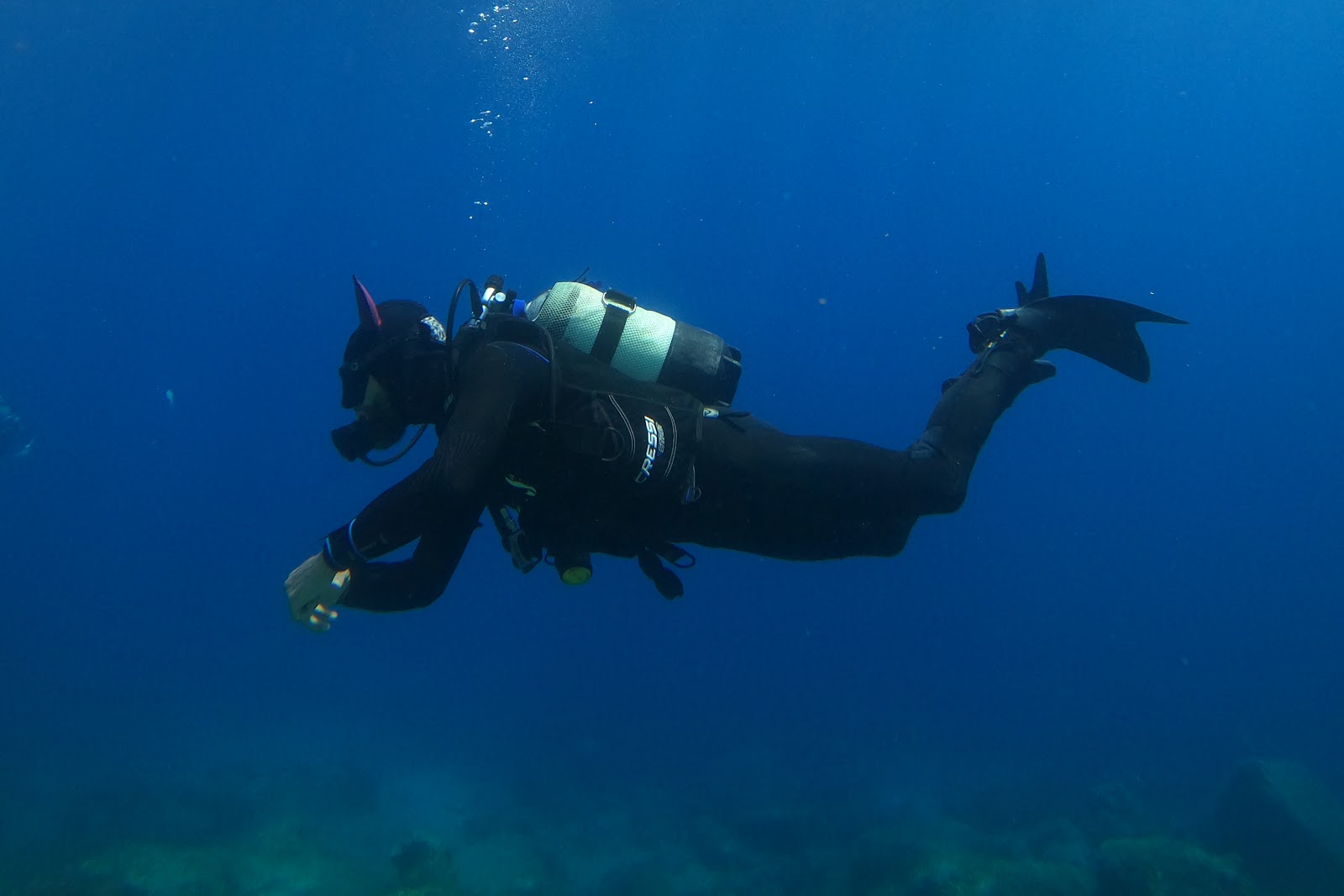
If you want to last and thrive as a dive pro, you have to take care of your body and mind.
- It’s not about six-packs or heavy lifting.
- It’s about being able to do your job, keep yourself and others safe, and enjoy the life you worked hard to create.
If you’re strong enough to carry your gear, calm enough to deal with problems underwater, and fit enough to handle long days—you’re already ahead of the game.
So move your body. Eat well. Sleep like it matters. Your future self (and your divers) will thank you.