
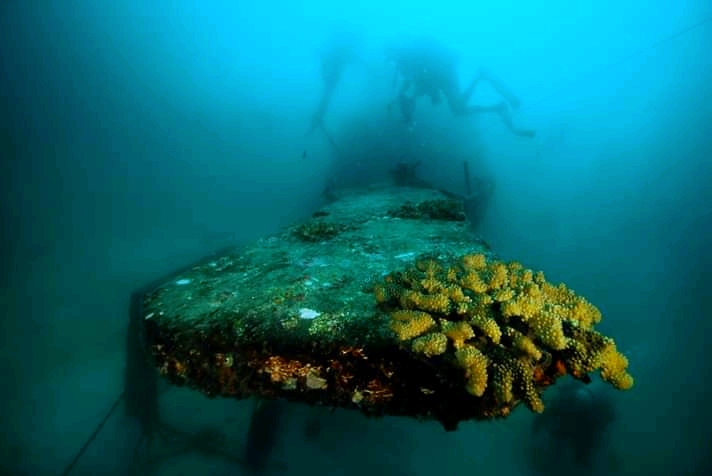
When it comes to wrecks, there’s always an air (water) of mystery surrounding them. Whether it’s a world-famous site like the Thistlegorm, Zenobia or Kittiwake, or a lesser-known, unnamed wreck tucked away in a quiet corner of the world, they all hold secrets of the past. The stories of sailors, soldiers, captains—and sometimes entire lost eras—call to something deep in us. It’s a quiet, unconscious longing for adventure.
The chance to see and explore a living piece of history is always thrilling. But imagine getting to teach others about it. For me, that’s the essence of continued education in diving—sharing that spark of wonder and discovery with others.
So, How Do You Become a PADI Wreck Instructor?
To earn the Wreck Instructor rating, you must first be a PADI Open Water Scuba Instructor (OWSI). From there, you have a couple of different options:
🛠️ Option 1: Specialty Instructor Training Course
This is the most structured and beneficial path, especially for newer instructors. You’ll take part in a Wreck Diver Specialty Instructor Training Course led by a PADI Course Director who is also a Wreck Instructor Trainer.
During the course, you’ll cover both theory and practical skills, including:
- Reasons for wreck diving
- Legal and environmental considerations
- Historical and archaeological aspects
- Hazards and risk management
- Surveying and mapping a wreck
- Laying a penetration line safely
The biggest advantage? You learn directly from an experienced instructor who’s taught the course many times before. After completion, your Course Director will submit your application to PADI, and you’ll receive your Wreck Instructor certification.
🌍 Option 2: Gain Experience Independently
This method is ideal if you’re in a location where Wreck Instructor Trainers are hard to find—or if you’re up for a bit of travel and self-guided exploration.
Dive famous wrecks in places like Cyprus, Malta, Egypt, or the Cayman Islands. Explore submerged airplanes, mining machinery, or unique wreck museums, like the ancient wreck park in Alonissos, Greece, or the cold waters of Scapa Flow, or tropical Bikini Atoll and Truk Lagoon. There are wrecks everywhere—each one with its own story.
You can also teach the Wreck Adventure Dive as part of the Advanced Open Water Course. Every OWSI is qualified to do this, even on modest, local wrecks. You don’t need a famous site—just a safe one.
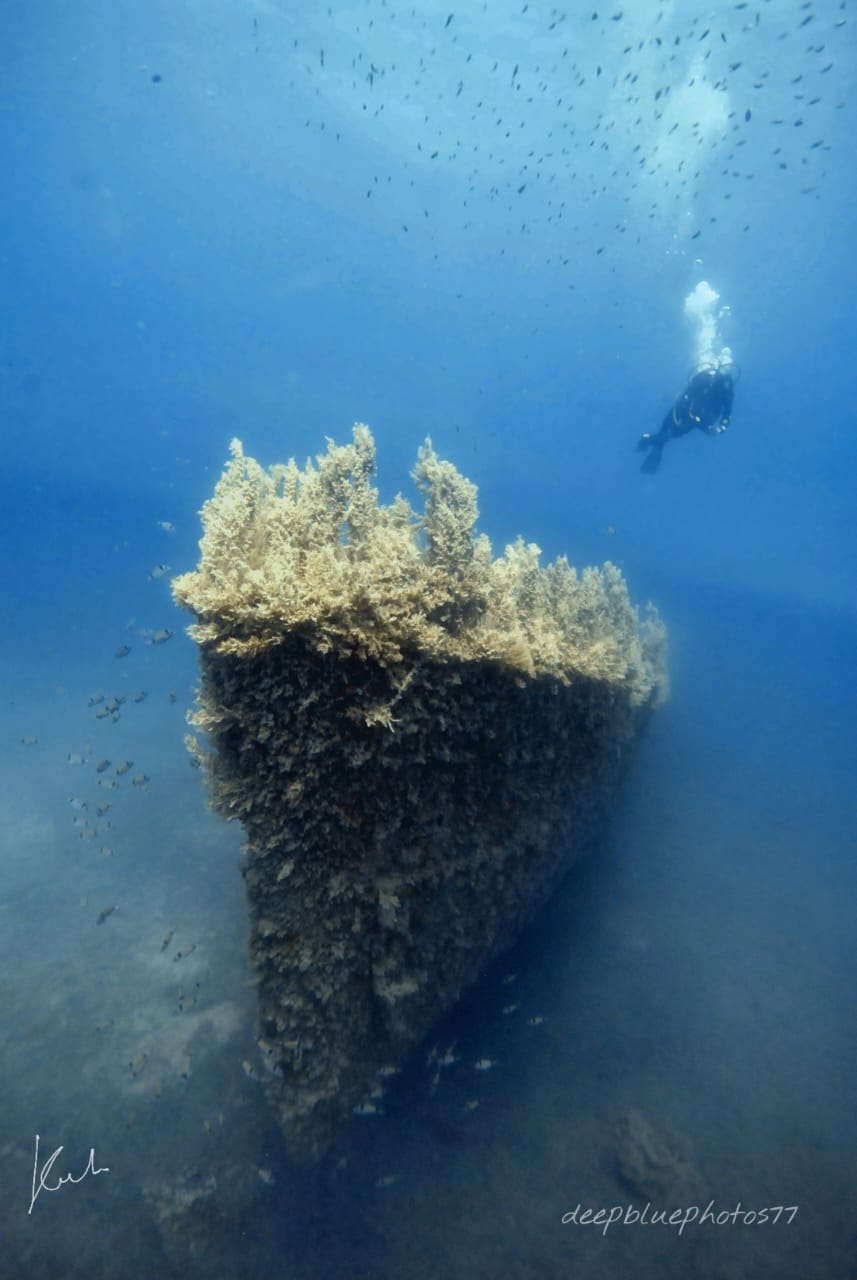
Mitilini Wreck, Greece
Once you’ve gained enough experience (or taught at least 20 Adventure Dives), you can apply directly to PADI. Just be prepared to provide proof of your wreck diving experience—logbooks, photos, and dive details help.
My Journey into Wreck Diving
Wreck diving has always been an exhilarating experience for me. I still remember my first dive on the HMS Drake, a World War I-era armoured cruiser off the coast of Northern Ireland. Surrounded by anchors, munitions, and artifacts, I was diving with Phil Cross—my instructor at the time—probably during my Advanced Course with Aquaholics Dive Centre in Portstewart. That moment, seeing history unfold beneath the waves, was life-changing. It was the first time I thought: Maybe I want to become a diving instructor.
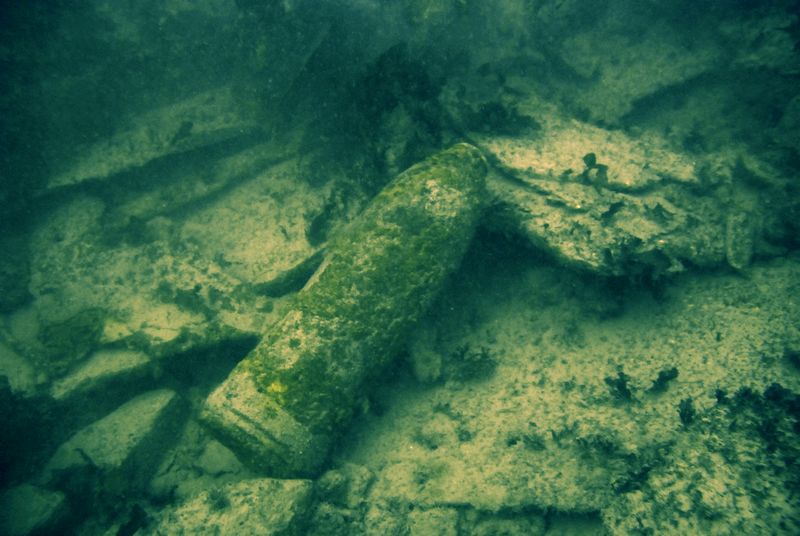
Later, I completed my Wreck Diver Specialty with Barracuda Dive Center in Goa, India. The Suzy wreck was completely different from HMS Drake but just as exciting in its own way.
A Dive Into the Past – Teaching the Thistlegorm
One of the most memorable Wreck Diver courses I’ve ever taught was on the Thistlegorm, a British transport ship sunk by German bombers in 1941. Resting within recreational limits in Egypt’s Ras Mohammed National Park, it’s packed with wartime relics—trucks, motorbikes, munitions, rifles, tanks, even parts of aircraft. There’s even a steam locomotive lying on the seafloor.
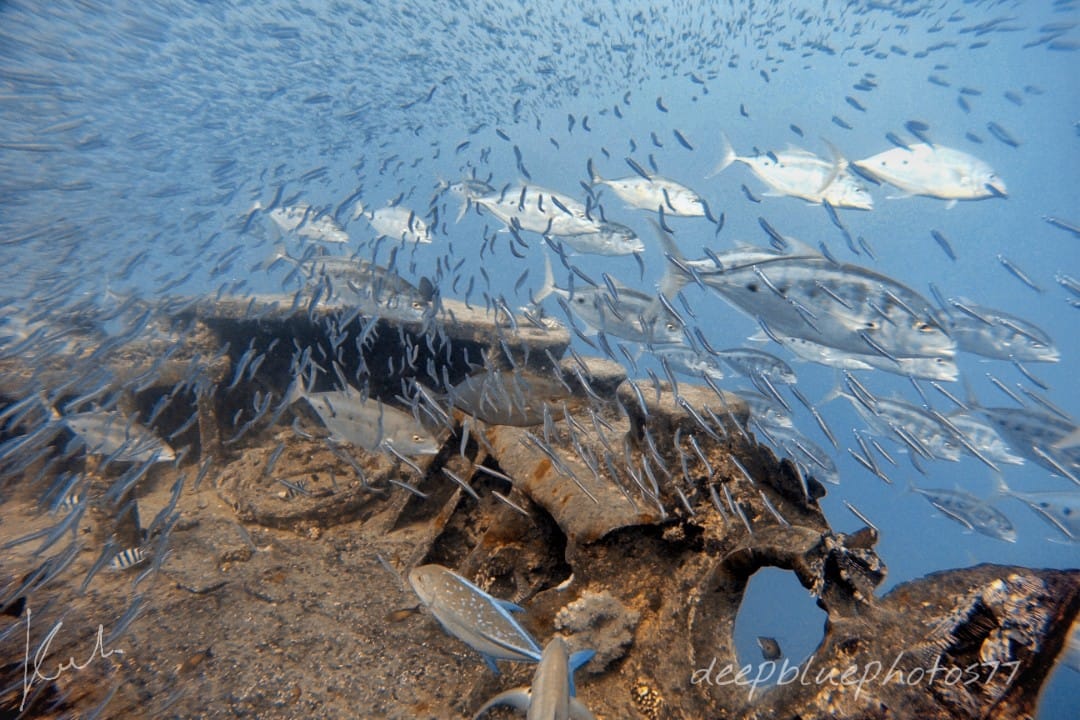 Thistlegorm, Egypt
It wasn’t just a course. It was underwater time travel.
Today: Diving and Teaching Around the World
Since then, I’ve dived and taught on wrecks in Greece, Malta, Thailand, Spain, France, Indonesia, and many more places. My understanding of maritime history, military strategy, wreck-related laws, and technical diving has deepened with each location.
Currently, I’m based in Halkidiki, Greece, where I teach Wreck Diver and Wreck Instructor courses on the Mitilini Wreck—a small cargo ship that sank about 60 years ago. It’s a pleasant and accessible dive site, perfect for training.
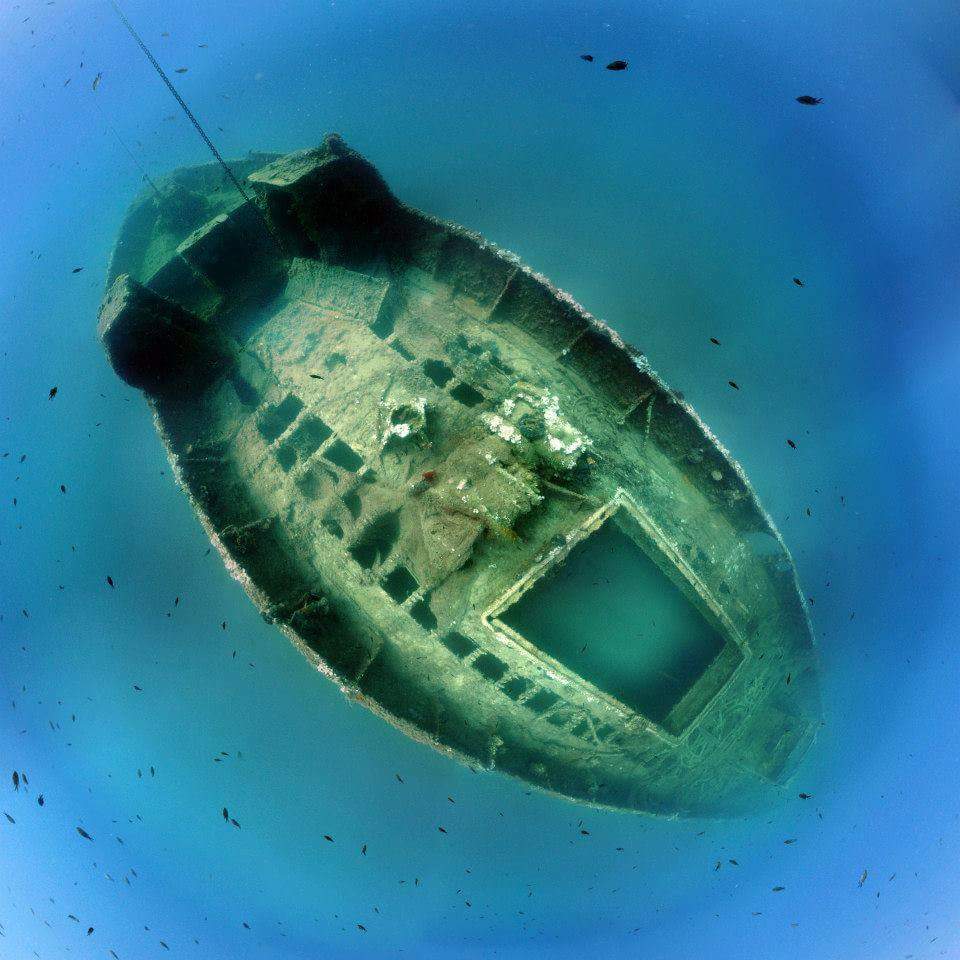
Mitilini Wreck, Greece
Becoming a PADI Wreck Instructor allowed me to combine my passion for history, adventure, and teaching. Wrecks are more than just sunken structures—they’re time capsules filled with stories waiting to be discovered. Whether through structured training or personal exploration, earning this instructor rating opens the door to teaching others how to safely explore these underwater relics. For me, wreck diving keeps the job exciting, sharpens my skills, and offers the unique reward of guiding others through living history beneath the surface.
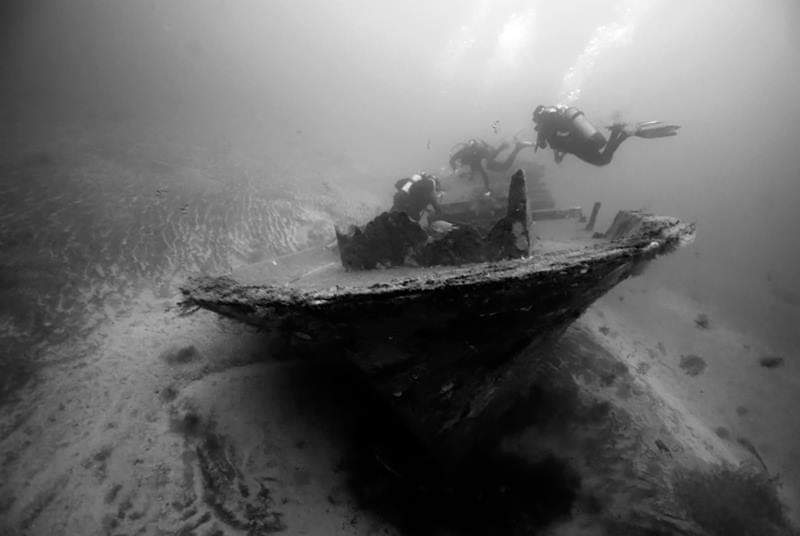
Cermona II, Gran Canaria, Canary Islands