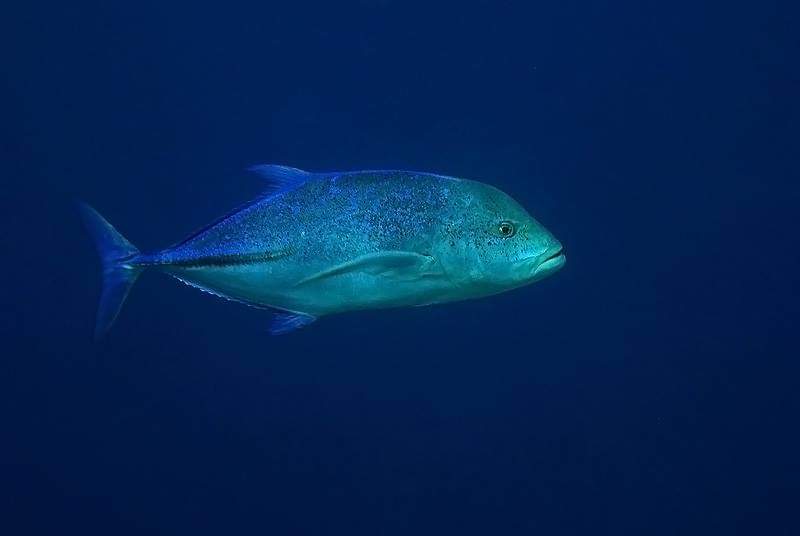
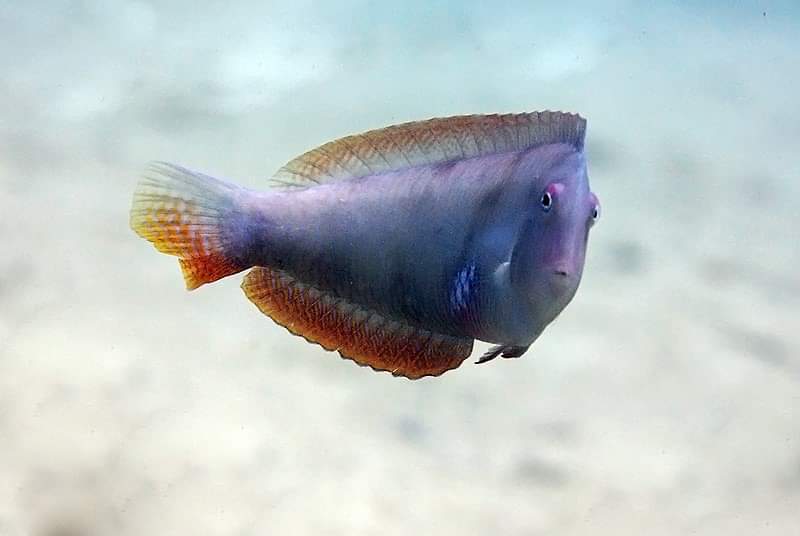
Being a scuba diving guide is about much more than leading people safely through the water. It’s about shaping an experience—one that divers will remember long after they’ve surfaced. While safety, navigation, and understanding conditions are essential parts of the job, they are not always what leaves the strongest impression. More often than not, it’s the marine life that truly captivates people.
Every guide knows the moment. The dive is over, gear is off, and someone asks: “What was that funny-looking fish we saw?”
It’s such a simple question, yet it can instantly reveal how well you really know your environment. Many of us have been in that position—trying to give a confident answer while not being entirely sure. And the truth is, as professionals, we could have known.
For years, I focused heavily on understanding my working environment in terms of conditions. I learned weather patterns, sea states, currents, and tides. I knew what to expect and how to prepare my divers and students for a safe dive. That knowledge is critical—it’s the foundation of being a responsible guide.
But it’s not always what divers are most interested in.
For them, the real highlight is what they encounter underwater. The fish, the unexpected sightings, the small creatures hidden in plain sight. Simply saying “we saw fish” or “maybe a turtle” doesn’t add much value. Divers want more. They want to understand what they saw.
That’s where knowledge of marine species becomes a clear professional advantage.
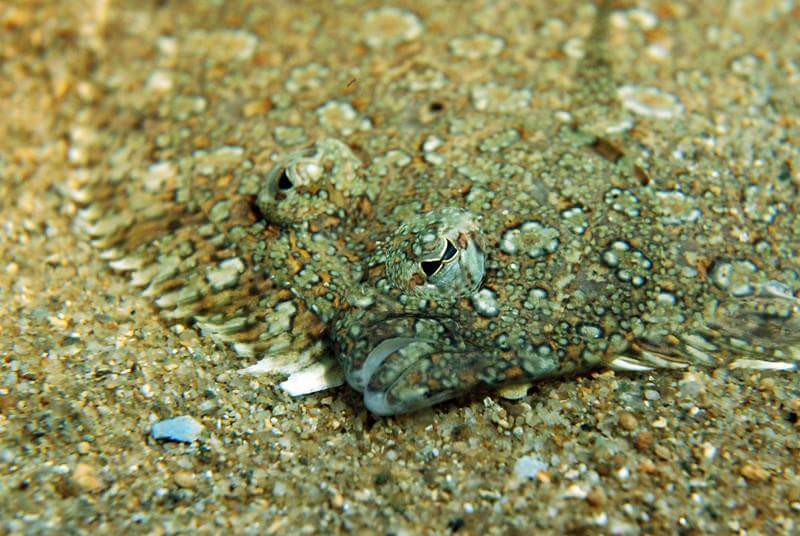
You don’t need to memorize every species in the ocean or earn a degree in marine biology. But having a basic understanding of the local ecosystem—and being able to identify common marine life—can completely change how divers perceive you. Even mentioning a species name or sharing a small, interesting fact can make you seem more confident, knowledgeable, and professional.
It starts with understanding the environment you’re working in.
Most scuba diving takes place in coastal ecosystems. These are relatively small parts of the ocean, but they are incredibly diverse and complex. Like any ecosystem, they consist of two main components: abiotic (non-living) and biotic (living).
The abiotic side includes factors like the substrate—the composition of the seafloor, whether it’s sand, rock, or mud. This is more important than it might seem, because different types of seabed support different kinds of marine life. A sandy bottom will host completely different species than a rocky reef.
The biotic component includes producers, such as algae and seagrass, and consumers—the animals divers are usually most excited to see. Understanding how these elements interact helps you predict what kind of marine life your divers are likely to encounter on a given dive.
For me, curiosity has always been the driving force. I’ve always wanted to know what I’m looking at, whether it’s underwater or on land. That mindset naturally leads to learning, and over time, it builds a strong foundation of knowledge that directly improves your guiding.
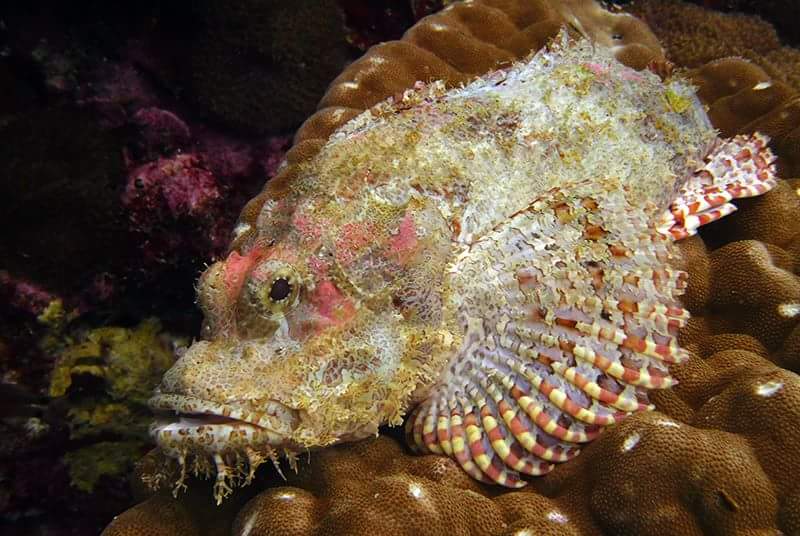
Today, there are many ways to develop that knowledge.
The internet is one of the most accessible tools, but it needs to be used carefully. Not all information online is accurate. It’s best to rely on trusted sources such as universities, national parks, government agencies, and non-profit organizations. These tend to provide reliable, science-based information. Cross-checking what you find is always a good practice.
Social media can also be surprisingly useful. There are specialized groups dedicated to different types of marine life—fish, nudibranchs, crustaceans, and more. These communities often operate on a citizen science level, where divers and enthusiasts share sightings, photos, and knowledge. They’re a great way to learn from real-world observations and stay updated.
Apps have become one of the most practical tools for identifying marine species. If you can take a photo of an organism, identifying it can be as simple as uploading the image. Once you have a name, finding more detailed information becomes easy.
Tools like iNaturalist allow you to upload a photo and receive an instant identification using image recognition. From there, you can explore additional details and verify the species. It’s a simple and effective way to continuously build your knowledge.
In the end, knowing your environment goes beyond currents and conditions. It includes understanding the life within it. As a scuba diving guide, that knowledge doesn’t just make your job easier—it makes your dives richer, more engaging, and more memorable for your divers.
Because when someone asks, “What was that fish?”—having the answer is more than just a detail. It’s what turns a dive into a story worth telling.